Digital Textile Printing Ink for Fabric and Garment Production
Hongsam develops and produces inkjet inks for textile, image and packaging printing and supplies Hong-Jet digital printers. The company was founded in 2001, is based in Zhengzhou, Henan, and works with fabric and garment producers.
Request samples and a quotation
- Founded
- 2001
- Employees
- 301–500
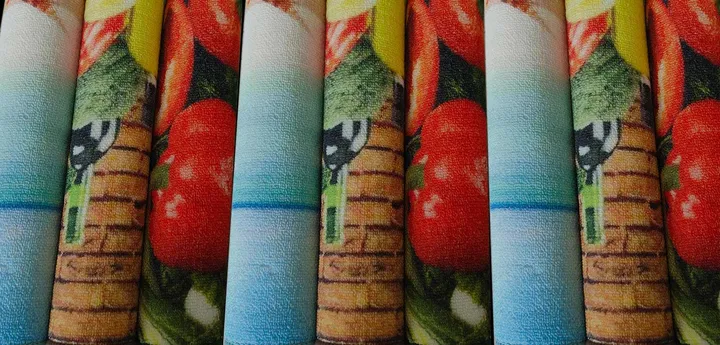
Ink families for digital textile printing
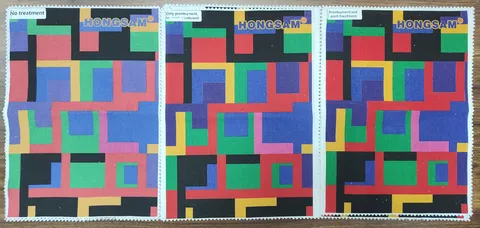 Textile pigment ink
Water-based pigment ink for direct-to-fabric printing on cotton and blends, with matching pre- and post-treatment liquids.
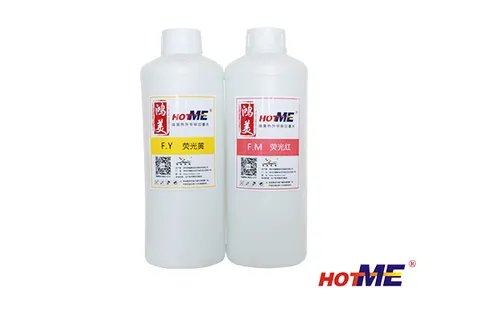 Sublimation ink
Disperse dye inks for transfer printing on polyester, in high-speed, high light fastness and fluorescent grades.
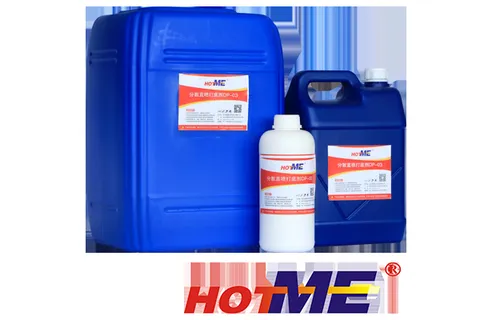 Disperse ink
High-energy and low-energy disperse inks for direct printing on polyester fabric.
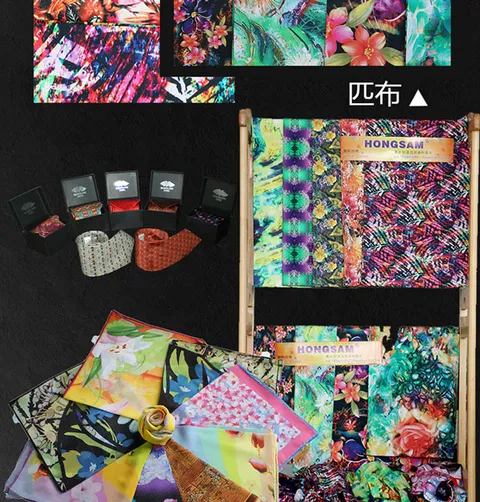 Reactive dye ink
Reactive inks for cotton, viscose and silk, with pre-treatment and colour fixing auxiliaries.
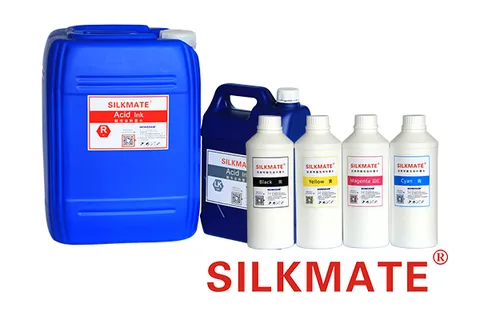 Acid dye ink
Acid inks for nylon, wool and silk printing.
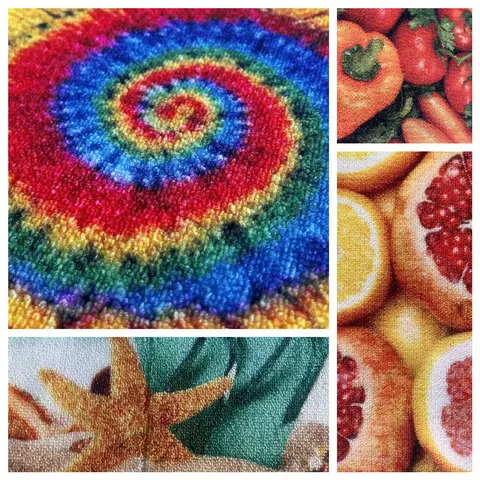 Cationic ink
s for acrylic, modified polyester and carpet printing.
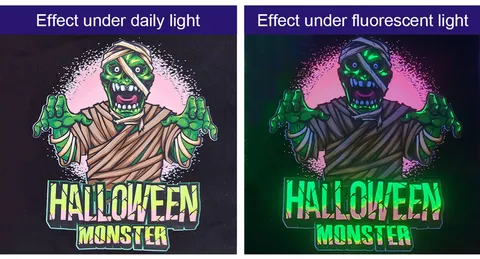 DTF ink
White, colour and fluorescent inks for direct-to-film transfer printing.
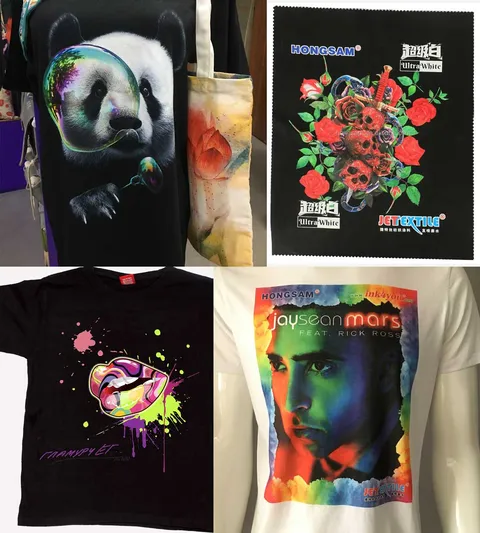 DTG ink
White and colour inks for direct-to-garment printing on cotton.
Digital Textile Printing Ink: How to Choose by Fabric and Process
Choosing a digital textile printing ink starts with the fibre, then narrows by colour fastness target, hand feel, printhead compatibility and the finishing route available. Cotton usually points to reactive chemistry, polyester to disperse, and blends or mixed-fibre garments to pigment, which binds on the fabric surface.
Printhead compatibility decides which viscosity and filtration grade a machine can run, while fixation decides which chemistry survives washing. Buyers can request a quotation through the inquiry form or the sales email by sending their fabric, printhead and finishing details.
Fabric Printing Ink Selection by Fibre and Finish
Fabric composition sets the shortlist: cellulosics take reactive dyes, polyester takes disperse dyes, polyamide and wool take acid dyes, and pigment binds to most blends. Washing needs and colour fastness targets then remove options that will not hold through garment care.
Hand feel separates the families further: dye-based inks leave fibre soft, while pigment relies on a binder that can stiffen the surface. Pre-treatment and fixation decide whether ink reaches its fastness target, and digital inkjet inks are a filtered subset of general fabric printing inks.
Textile Printing Ink Types and Fibre Matching
Reactive inks bond with cellulose and suit cotton, viscose and linen; disperse inks dye polyester and other synthetics through heat; acid inks serve polyamide, wool and silk; pigment inks bind to almost any fibre through a binder, and cationic inks are used on acrylics.
Digital inkjet printing applies these chemistries drop by drop from a printhead rather than through a screen or roller, so a design change costs a file instead of a new screen. That places it in sampling, short runs and customised fabric work.
Inkjet Printing Textile: Process, Requirements and Limits
The workflow runs from fabric preparation through ink selection, printhead choice, printing, fixation and finishing. Fabric must be clean and, for several chemistries, pre-treated so drops do not wick, and the ink must match the printhead’s viscosity and filtration requirements before printing starts.
Adoption depends on fabric width and roll handling, daily volume, the finishing equipment already installed and the colour approval loop. Hongsam’s RCT™ printing technology needs no pre-treatment or post-treatment, which shortens the route for each order that suits it.
Inkjet Textile Printing Compared with Screen Printing
Screen printing carries a per-colour setup: a screen, a paste and a registration step, economical on long repeating runs. Inkjet needs only a digital file, so design changes need no screens, while ink cost per square metre and print speed set its limits.
Inkjet textile printing suits sampling, short runs, customised fabric work and designs with many colours, where preparing screens would be slow and costly. Screen printing still fits long runs of a stable design, and both routes share fixation and washing demands.
Ink for Textile Printing: Compatibility and Sampling
Ink for textile printing has to match the printhead, the fabric, the colour requirement and the application. Inks of the same chemistry can differ in viscosity, surface tension and filtration grade, so compatibility data should be checked against the exact head model and press settings.
Before purchase, request the technical data sheet, the storage guidance and a sample of the specific grade. A test print on the buyer’s own fabric and machine shows how colour, drying and fastness behave, and the result sets the reference for later orders.
Digital Textile Ink: Quality Checks and Supplier Questions
Digital textile ink quality shows in filtration, colour consistency between batches, printhead compatibility and storage behaviour. Buyers can ask how the ink is filtered, how batch colour is controlled, which storage temperature range applies, and which technical documents travel with each shipment.
The digital textile printing inks list colours K, C, M, Y, R, G, B, OR, V, RM, HY, LC, LM, VM and LK, with fluorescent colours specified.
Inkjet Printing in Textile: Common Applications
Inkjet printing in textile manufacturing covers apparel panels, T-shirts, home textiles, sampling and short-run fabric decoration. DTF ink handles direct-to-film T-shirt transfer printing, DTG ink prints directly onto sewn garments, and wide-format machines take home textile panels.
Limits come from throughput, fabric preparation and finishing capacity, and colour approval on blends takes longer than on single-fibre cloth. Hongsam lists Roll to Roll Textile Pigment Ink and Textile Pigment Ink for Polyester and Nylon Fabrics, the latter suitable for polyester and nylon fabric, supporting wet and dry printing.
Textile Inkjet Printing: Pre-Installation Checklist
Preparation before scale-up is mainly about removing surprises: test the production fabric, confirm the ink grade against the printhead, store ink as advised, set a printhead maintenance routine, agree the fixation and finishing route, and sign off a colour sample.
A pilot run on the actual fabric and machine follows, then scale-up once colour, hand feel and fastness match the approved sample. Fabric pre-treatment, where the chemistry needs it, should be arranged before production begins.
From sample to supply
- Send your set-up
- Printer model, printhead, substrate or fabric, the colours you run and your expected monthly volume.
- Sample and test print
- Hongsam proposes a matching ink series and arranges samples so you can test on your own machine.
- Quotation and order
- Packaging, colour set and order quantity are confirmed in the quotation before production.
- Shipping
- Inks are packed for export and shipped with the product documentation for your order.
Request a quotation
Send your printhead model, fabric or media and the colours you need; we will propose a matching ink series.
Or write to sales@inkjetinksupplier.com